Summer is the busiest season for wildlife in Central Florida. Warmer nights, daily afternoon rain, fruiting trees, and active breeding cycles push animals into yards, attics, garages, and pool cages at a rate homeowners rarely see in cooler months. Almost every wildlife call Central Florida trappers handle between June and September involves the same handful of species — and the same handful of preventable attractants. This guide walks through why activity spikes in summer, the species that drive most of the problems, the signs that something has moved in, and what to do to keep summer wildlife from settling on your property.
Why Wildlife Activity Spikes in Central Florida Summers
Three forces drive the seasonal surge. First, temperature: Florida summers stay warm overnight, so cold-blooded animals like snakes and iguanas stay active twenty-four hours a day instead of going dormant. Second, food: daily rain refills ponds and ditches, which dramatically increases insect and amphibian populations that feed bats, raccoons, snakes, and opossums; fruit trees produce constantly from May through September, drawing roof rats and iguanas; lawn grubs explode after wet weeks, drawing armadillos. Third, reproduction: early summer is the peak breeding window for raccoons, opossums, squirrels, and roof rats, and the second annual squirrel litter lands in July. That combination is why attic noises, garage break-ins, and yard damage spike every June and July across the Orlando metro area.
Areas Around Homes That Attract Summer Wildlife
Most summer wildlife problems trace back to the same property conditions. Knowing the list lets you fix the cause instead of chasing the symptom.
- Mango, papaya, citrus, and avocado trees dropping ripe fruit
- Birdbaths, fountains, and clogged gutters holding standing water
- Lanai screens with small tears that go unrepaired in the heat
- Pool decks, paver patios, and concrete pads holding daytime warmth
- Attic vents and soffits where summer humidity has expanded the gaps
- Compost piles, trash bins, and grills covered in food residue
- Overgrown ornamental beds offering shade and shelter
- Pet food, bird seed, and outdoor feeders left out overnight
- Loose flashing, lifted shingles, and storm-damaged roofs from spring weather
Most Active Wildlife in Central Florida Summer
The species below are the most common summertime callouts in the Orlando metro area. Each one has a distinct activity pattern, a typical entry point, and an early-warning sign that — caught quickly — keeps the problem small.
Raccoons
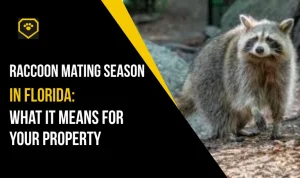
Raccoons hit peak activity in May through August, especially females raising kits. They tear through attic vents, palm boots, pool screens, and trash cans nightly, and a single nursing female with three or four kits can do thousands of dollars of damage to an attic in a few weeks. Watch for shredded soffit material, smudged paw prints near gutters, overturned trash cans with the lid pulled cleanly off, and night-time thumping above the ceiling. Raccoon kits are vocal at three to six weeks, so a chittering noise in the attic at dusk is a strong sign of a den. Raccoons are protected wildlife in Florida — trapping requires a licensed wildlife handler.
Roof Rats
Roof rats (also called fruit rats or palm rats) explode in numbers during the summer fruit season. Mango and citrus trees become highways into attics. Watch for hollowed-out fruit left on branches, scampering noises in the attic at night (usually between dusk and dawn), and pointed half-inch droppings on top of insulation and along rafters. Roof rats use overhanging tree branches as the main entry route, so trimming canopy back six feet from the roof cuts the problem dramatically. A typical Central Florida home has thirty to fifty potential entry points — missing even one keeps the cycle going through the next breeding wave.
Also Read: Roof Rat vs Norway Rat in Florida
Snakes
Heat and rain push snakes — especially yellow rat snakes, black racers, and water snakes — into yards, garages, and pool areas. Most are non-venomous and beneficial, but cottonmouths and pygmy rattlesnakes become more visible around ponds, drainage ditches, and storm runoff areas after summer storms. Snake activity peaks at dusk and dawn in summer and slows during the hottest part of the day. The most common summer entry point is a torn lanai screen or a garage door seal that has hardened in the sun.
Helpful for you: How to Get Rid of Snakes in Florida
Bats
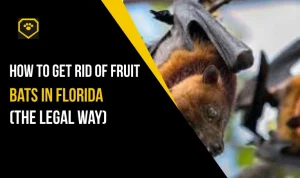
Summer is the maternity season for Florida bats, when adult females raise pups in colonies. Florida law strictly prohibits bat exclusion between April 15 and August 15 because flightless pups would be trapped inside if the adults are blocked from returning. If bats are found in an attic during this window, schedule the formal exclusion for late August and use the time in between to identify entry points, prepare exclusion materials, and document the colony. Bat guano in attic insulation is a health concern and should be left to licensed remediation.
Iguanas
Green iguanas are at peak feeding and burrowing in summer. Expect heavy damage to hibiscus, bougainvillea, orchids, mango trees, and fruit gardens. Burrow construction along seawalls, foundations, and pool decks ramps up sharply after heavy rains, when the soil is easiest to dig. Iguanas can lay up to seventy eggs per year per female, so a small summer infestation becomes a major problem by next spring if it is not handled. Florida lists green iguanas as invasive, and humane removal is permitted on private property — though most homeowners do better with licensed trapping than DIY.
Must Read: How to Get Rid of Iguanas in Florida
Opossums
Opossums move into garages, sheds, and crawl spaces during summer to escape heat and to den. They are usually solitary and short-stay, but females with young can occupy a space for several weeks, leaving droppings, urine, and an unmistakable musty odor. Look for one-inch droppings near pet food bowls, scratch marks on shed doors, and night-time noises in the garage. Opossums are protected in Florida and benefit the property by eating ticks, slugs, and small rodents — humane removal and exclusion is almost always the right call.
Squirrels
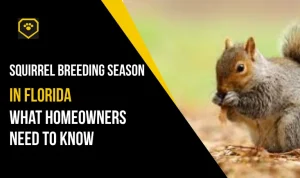
Summer brings the second annual squirrel litter, with babies born in July and August. Attic chewing, soffit damage, and chimney intrusions all rise from June through August. Look for daytime scratching in the attic (squirrels are diurnal — daytime noise is one of the clearest ways to distinguish them from rats or raccoons), small piles of bark chips around the base of trees, and gnawed wood on roofline trim. A squirrel in the attic with babies cannot be excluded until the young are mobile, which is why timing matters as much as method.
Armadillos
Wet summer soil makes digging easy, and armadillos respond by tearing up lawns, garden beds, and irrigation lines hunting for grubs. Burrow holes seven to ten inches across along foundations, sheds, and AC pads are a clear sign. Armadillos also dig under irrigation valve boxes, breaking sprinkler heads in the process. They are legal to trap year-round in Florida and don’t fight back the way other wildlife will, but their burrows tend to be active for weeks — sealing them mid-summer without confirming they are empty traps the animal underneath.
Common Signs of Summer Wildlife Activity
If two or more of the signs below show up on a property in summer, treat it as an active problem rather than a one-off.
- Scratching or scampering sounds in attics, soffits, or wall voids at night
- Daytime scratching in the attic (squirrels)
- Chewed soffit corners, vent screens, or pool cage frames
- Droppings on insulation, near AC handlers, or along garage walls
- Burrow holes along seawalls, foundations, or under decks
- Stripped fruit trees or chewed garden plants
- Trash bins knocked over or torn open repeatedly
- Snake skins shed in garages, sheds, or near foundation gaps
- Strong urine or musty odors in attic spaces — usually raccoons or bats
- Sudden disappearance of yard lizards or frogs (often snake-related)
Quick-Reference: Summer Activity by Species
| Species | Peak Activity | Where to Look | Top Attractant | Legal Notes |
|---|---|---|---|---|
| Raccoons | May–August | Attics, palm boots, trash areas | Food waste and water | Protected; licensed handler required |
| Roof rats | June–September | Attics, soffits, fruit trees | Ripe fruit and bird seed | Standard pest control |
| Snakes | March–October (peak July) | Garages, sheds, lanais, pond edges | Rodents and shelter | Many species protected; identify before acting |
| Bats | April–August (maternity) | Attics, soffits, gable vents | Warm roost spaces | Exclusion prohibited April 15–Aug 15 |
| Iguanas | April–October | Seawalls, gardens, pool decks | Plants and soft soil | Invasive; humane removal allowed on private property |
| Opossums | May–September | Garages, sheds, crawl spaces | Pet food and shelter | Protected; humane removal preferred |
| Squirrels | June–August (second litter) | Attics, soffits, chimneys | Easy entry points | Check protection status before trapping |
| Armadillos | May–September | Lawns, gardens, foundations | Soft soil and grubs | Trapping legal year-round in Florida |
How to Stay Ahead of Summer Wildlife
The best summer wildlife strategy in Central Florida is preventive, not reactive. The list below is what consistently keeps homes clear through the busiest months.
- Inspect the roof, soffits, and gable vents in late spring before activity peaks
- Trim tree branches at least six feet back from the roofline
- Pick fruit early and clear fallen fruit daily during mango and citrus season
- Secure trash bins with locking lids and rinse them weekly
- Bring pet food and water bowls inside overnight
- Repair lanai and pool screen tears as soon as they appear
- Empty standing water from saucers, gutters, and birdbaths after every rain
- Walk the foundation perimeter monthly for fresh burrow activity
- Schedule a mid-summer wildlife inspection for properties with past activity
How CFL Trappers Can Help You
Central Florida Trapper handles full-season summer wildlife issues across Cental Florida — raccoons in the attic, roof rats in the soffits, snakes in the garage, iguanas along the seawall, armadillos in the yard, and everything in between. Our team inspects the property top to bottom, identifies the species and the entry points, removes the animals legally, and installs exclusion work so the same problem does not repeat next summer. We also offer seasonal inspections in May and June for homeowners and HOAs who want to head off summer activity before it becomes an infestation. If something is moving on your property, contact us for an assessment.
Conclusion
Summer wildlife problems in Central Florida are predictable. The same species, the same attractants, and the same entry points cycle back every year. The properties that stay clear are the ones that get ahead of it — late-spring inspections, fruit and trash management through the season, and quick action the first time a scratch is heard in the attic. Build those habits and the busiest wildlife season of the year becomes a non-event.
FAQs
What is the most common summer wildlife call in Central Florida?
Raccoons and roof rats top the list every summer, with snake sightings close behind. All three are tied to food availability and easy entry points around the home.
Why can’t bats be removed in the summer?
Florida law protects bats during maternity season (April 15 to August 15) because flightless pups would be trapped inside if adults are excluded. Exclusion can be scheduled for late August onward.
Are wildlife problems worse after a hurricane?
Yes. Storms expose new entry points like loose soffits, lifted shingles, and torn screens, and displace animals from natural habitat. The two to four weeks after a major storm typically bring a sharp spike in attic and garage activity.
Should I feed wildlife I see in my yard?
No. Feeding raccoons, opossums, and other wildlife is illegal in many Florida jurisdictions and almost guarantees the animal will start using the property as a permanent food source.
How often should I inspect my attic in summer?
Once a month is a reasonable cadence for Central Florida homes, especially homes with mature trees, palm fronds touching the roof, or past wildlife activity.
When is the best time to schedule a wildlife inspection?
Late April through early June. That window catches small problems before peak summer activity and gives time to seal entry points before raccoon and squirrel litters move in.