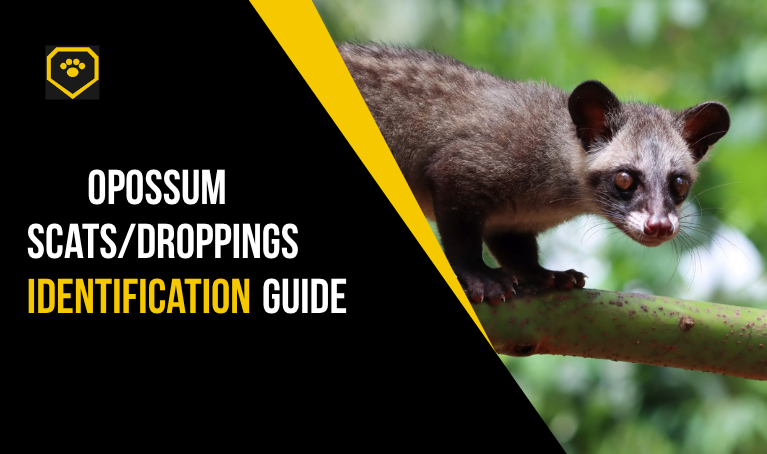
Opossum droppings are a common but often misidentified wildlife sign in Central Florida — and identifying them correctly matters because opossums frequently share territory with raccoons, rats, and feral cats, all of which leave similar-looking deposits. The Virginia opossum is North America’s only marsupial and the most widespread mid-sized mammal across the state, with healthy populations in every Orlando-area neighborhood. This guide walks you through exactly what opossum scat looks like, where to find it in Central Florida, how it differs from look-alike droppings, and what to do once you confirm them.
What Do Opossum Droppings Look Like?
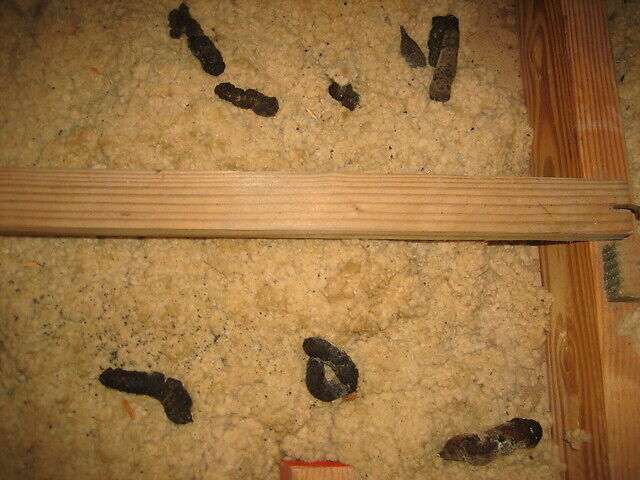
Opossum droppings are tubular, dark, and longer than most homeowners expect for a 4 to 14 pound mammal. They closely resemble small dog droppings but tend to be thinner, more curled, and more variable in appearance because of the opossum’s omnivorous, scavenging diet.
Size and Shape
Pieces typically measure 1 to 3 inches long and 1/4 to 3/4 inch in diameter. The shape is tube-like with rounded or tapered ends, and longer pieces often curl or fold rather than stay straight. They are usually deposited as one or two pieces rather than as the long segmented chains characteristic of raccoon scat.
Color and Contents
Color ranges from medium brown to nearly black depending on diet. Because opossums eat almost everything — fruit, insects, small reptiles, eggs, carrion, garbage, pet food — droppings can show fragments of fur, feathers, insect parts, seeds, and bits of trash. The variability of contents is itself a clue: dramatically different-looking droppings in the same yard often point to opossums.
Smell
Fresh opossum droppings have a strong, sour, sometimes musky odor that lingers in Central Florida humidity. They are not as pungent as raccoon scat but stronger than rat droppings.
Where You’ll Find Opossum Droppings in Central Florida
Opossums travel widely and do not establish true latrines, so droppings tend to appear in scattered locations along their nightly route:
- On lanais, pool decks, and screen porches
- Around garbage cans and pet feeding areas
- In garages, sheds, and pool equipment closets
- Beneath decks, porches, and stairs where opossums shelter during the day
- Along fence lines and at the base of palm or oak trees
- On flat sections of roof, especially around chimneys and pool cages
Repeated deposits in the same general area, especially under a deck or near a feeding spot, indicate an opossum is using that location consistently — but you will rarely see the neat piles that raccoons leave.
How to Tell Opossum Droppings From Other Animals
Opossum vs. Raccoon Scat
Raccoon droppings are darker, blunter, more uniform in width, and almost always contain visible seeds. They also tend to be deposited in latrines — communal piles. Opossum droppings are thinner, often curled or twisted, and rarely piled.
Opossum vs. Domestic Cat or Small Dog
Cat droppings are smoother, smaller, and usually buried. Small dog droppings are similar in size but more uniform in texture without the variable contents typical of an omnivorous opossum. The presence of seeds, fur, or insect parts in a tubular dropping points to opossum rather than dog.
Opossum vs. Skunk Droppings
Skunks are uncommon in much of Central Florida but do occur. Their droppings are similar in size but typically contain more obvious insect remains and have a sharper musky smell. Opossum droppings are more variable.
What Opossum Droppings Tell You About Activity
A single dropping near your trash can or porch usually means an opossum passed through during the night. Multiple droppings under the deck, along a regular travel path, or in the garage indicate that an opossum has incorporated your property into its routine. Opossums in Central Florida have huge home ranges — sometimes 20 to 40 acres — and rotate through several denning sites, so droppings come and go in cycles.
Common companion signs include:
- Pet food disappearing overnight from porches and lanais
- Trash cans tipped or pulled into hidden spaces
- Birdseed cleaned out beneath feeders
- Scratching, hissing, or shuffling sounds beneath decks at night
- Sightings of opossums playing dead when approached
Health Risks of Opossum Droppings
Opossum droppings are less dangerous than raccoon scat but should still be cleaned with care. Risks include leptospirosis, salmonella, and the protozoan Sarcocystis neurona, which can cause severe neurological disease in horses if it contaminates feed or pasture. Opossums are also frequent carriers of fleas, ticks, and the parasite Trichomonas, so any droppings should be treated as a biohazard. Wear gloves and an N95 respirator, and disinfect the surface with a 10 percent bleach solution.
Are Opossums Beneficial or a Problem?
Opossums get a bad reputation, but they offer real ecological benefits — they eat large numbers of insects, rodents, and even some venomous snakes. Their popular reputation as significant tick-eaters has been challenged by recent research, but they remain useful scavengers. Most homeowners only need to address opossum activity when:
- The opossum is denning inside the structure (attic, wall, garage)
- Droppings appear regularly in living or recreation areas
- Pets and opossums are interacting and risking injury
- The opossum is damaging soffits, screens, or pool cages
What to Do When You Find Opossum Droppings
- Clean droppings with gloves, an N95 respirator, and a bleach solution
- Move pet food and water inside after sunset
- Secure trash cans with locking lids or store inside the garage
- Block access under decks and sheds with hardware cloth or skirting
- Trim tree limbs that overhang the roof to limit roof access
When to Call a Central Florida Opossum Removal Specialist
Repeated opossum activity, droppings inside the home or attic, or a denning opossum under a deck or shed should be handled by a licensed wildlife professional. Central Florida Trapper provides humane opossum removal, exclusion, and sanitation services across the Orlando metro area. We identify entry and den sites, remove the animal humanely in compliance with Florida Fish and Wildlife regulations, and seal access points so the same situation does not return.