Spotting unfamiliar droppings around your Central Florida home, attic, deck, or garage is unsettling — and if you suspect a raccoon, you have good reason to act fast. Raccoon scat is more than a gross discovery: it is the single most reliable sign that a raccoon is using your property as a feeding ground, denning site, or established travel route, and it can pose real health risks to people and pets. This identification guide walks you through exactly what raccoon droppings look like, where they tend to appear in Central Florida, how to tell raccoon scat apart from similar animals, and what to do once you have confirmed the source.
What Does Raccoon Scat Look Like?
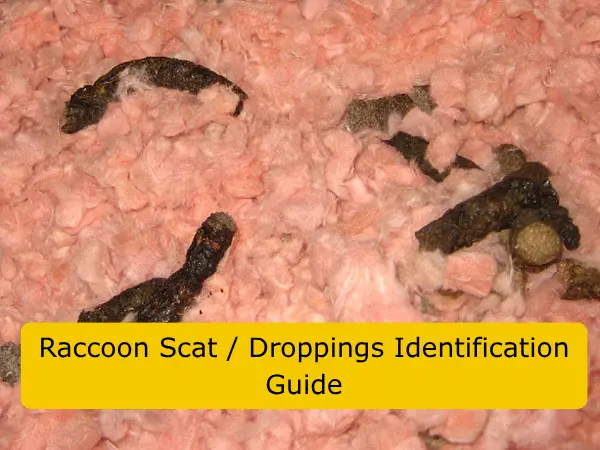
Raccoon droppings are one of the easier wildlife signs to identify once you know what to look for. They are surprisingly large for a mid-sized mammal, often resembling small dog droppings, and they almost always contain visible food remnants because raccoons are omnivorous opportunists.
Size and Shape
Individual pieces typically measure 2 to 3 inches long and around 1/2 to 3/4 inch in diameter. The shape is tube-like with rounded or blunt ends, and pieces often appear in segments that broke apart as they were deposited. The texture is dense and the surface usually looks crumbly or slightly granular rather than smooth.
Color and Contents
Color varies widely with diet, but dark brown to nearly black is most common. Because raccoons in Central Florida feast on everything from palm berries and citrus drops to crayfish, pet food, and trash, their droppings frequently contain undigested seeds, berry skins, insect shells, fish scales, fur, or fragments of bone. If you can see seeds and berry hulls embedded in a dark, segmented dropping the size of a dog turd, raccoon is your most likely culprit.
Smell
Raccoon scat has a strong, pungent, sometimes sour odor that intensifies in Central Florida’s humid heat. Fresh deposits smell sharper and moister; older droppings dry out and bleach to a lighter gray-brown but still hold their shape and contents.
Where You’ll Find Raccoon Latrines in Central Florida
Raccoons are unusual among urban wildlife because they create communal latrines — repeat-use bathroom sites where multiple animals deposit droppings over time. In Orlando, Kissimmee, Sanford, and surrounding Central Florida communities, latrines commonly turn up in the following spots:
- Flat surfaces in attics, especially near the eaves and on top of insulation
- Roof valleys, around chimneys, and on flat sections of porch or pool-cage roofing
- The base of large oak, palm, or cypress trees
- Decks, sheds, and the tops of fence posts or wood piles
- Inside abandoned outbuildings, dog houses, and patio furniture cushions
- Pool decks, screened lanai floors, and swimming pool steps
If you find a single dropping you may have a one-time visitor, but a cluster of droppings stacked or scattered in the same spot is a latrine, which strongly indicates ongoing raccoon activity nearby.
How to Tell Raccoon Scat From Other Animals
Several Florida species leave droppings that can be mistaken for raccoon scat. The most common look-alikes are opossum, dog, cat, and large rat droppings.
Raccoon vs. Opossum Scat
Opossum droppings are similar in length but tend to be thinner, more curled or twisted, and lighter in color. They rarely contain large visible seeds and almost never appear in true latrines. Raccoon scat is darker, blunter, and far more likely to be piled.
Raccoon vs. Dog Scat
Dog droppings are a close visual match in size, but they are usually uniform in texture, do not contain seeds or insect parts, and have a different odor tied to commercial dog food. Raccoon scat almost always shows visible plant or animal matter and is typically deposited in places no dog could reach, such as roofs, attics, and the tops of fences.
Raccoon vs. Cat or Rat Scat
Cat droppings are smaller, smoother, and usually buried. Rat droppings are tiny — about the size of a grain of rice — and never appear as long, segmented tubes. Confusing raccoon scat with these two is uncommon once you have seen them side by side.
Health Risks of Raccoon Droppings
Raccoon scat is not just a nuisance — it is a documented public-health concern. Never handle, sweep, or pressure-wash raccoon droppings without proper precautions.
Raccoon Roundworm (Baylisascaris procyonis)
The most serious risk is Baylisascaris procyonis, a roundworm carried by many raccoons. Eggs are shed in the feces and can survive in soil for years, even through Florida’s wet season. Accidental ingestion or inhalation of microscopic eggs can cause severe neurological illness in humans, especially children, and can be fatal in pets.
Leptospirosis, Salmonella, and Giardia
Raccoon urine and feces also harbor leptospira bacteria, salmonella, and giardia, all of which can contaminate water sources, garden soil, and pet bowls. Pets that drink from puddles near a raccoon latrine are at particular risk in Central Florida’s rainy summer months.
How to Safely Clean Up Raccoon Scat
Cleanup should be approached cautiously. The CDC recommends wearing disposable gloves, an N95 respirator, rubber boots, and disposable coveralls. Lightly mist the droppings with water to keep eggs from becoming airborne, then carefully remove material with a shovel, sealing it in a heavy plastic bag. Hard surfaces should be scrubbed with hot, soapy water and then disinfected. Insulation, soft furnishings, or porous wood that has been heavily contaminated may need to be removed and replaced. Heat above 140°F kills roundworm eggs, but most household chemicals do not.
Signs You Have a Raccoon Problem in Central Florida
Droppings rarely show up alone. Look for these supporting clues:
- Tipped-over trash cans or torn garbage bags
- Damaged soffit, ridge cap, or roof vents
- Five-toed handprint-shaped tracks in mud or soft soil
- Scratching, thumping, or chittering sounds in the attic at night
- Pet food disappearing from porches and lanais
- Damaged screen on pool cages
When to Call a Central Florida Raccoon Removal Professional
If you have found a latrine, droppings inside your attic, or repeated fresh deposits anywhere on your property, it is time to bring in a licensed Central Florida wildlife removal specialist. A trained trapper can locate entry points, humanely remove the resident raccoons in compliance with Florida Fish and Wildlife regulations, decontaminate the affected areas, and seal the structure so the problem does not return. Attempting to trap or relocate raccoons yourself is both risky and illegal in many situations across Florida, so professional help protects your family, your pets, and your home.
If you suspect raccoon activity around your Orlando-area property, do not wait for the damage and contamination to spread. Reach out to Central Florida Trapper for fast, humane raccoon inspection, removal, and sanitation services.