Bird droppings are an unavoidable part of life in Central Florida — and depending on the species and the volume, they can also become a serious nuisance and health concern. From pigeons roosting under highway overpasses to muscovy ducks crowding retention ponds and starlings nesting in soffit vents, the Orlando area hosts a wide range of birds that leave heavy droppings on roofs, lanais, pool decks, vehicles, and walkways. This guide explains exactly what bird droppings look like, how to identify common species by their scat, the health risks involved, and what to do once nuisance birds have moved in.
What Do Bird Droppings Look Like?
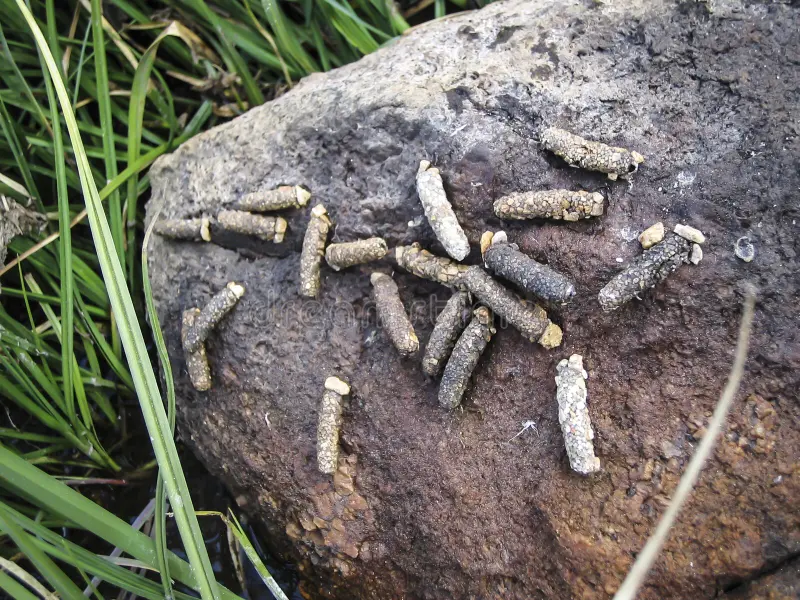
Bird droppings have a distinctive two-tone appearance because birds excrete both feces and uric acid (urates) at the same time. The dark portion is the actual fecal matter, while the white or cream-colored portion is the urate that birds use instead of liquid urine.
General Shape and Color
Most bird droppings appear as a small splat with a dark center surrounded by a ring or smear of chalky white. They tend to be soft and wet when fresh, hardening to a brittle crust within a few hours in Central Florida heat. Color of the dark portion ranges from black to dark green to brown depending on diet.
Size by Species
Size scales with the bird, and recognizing typical sizes helps narrow down the culprit:
- Small songbirds (sparrows, starlings, finches): drops about the size of a pencil eraser
- Pigeons and doves: 1/2 to 3/4 inch wide, often piled up in roosting areas
- Crows and grackles: 1 to 1.5 inches across, splatty
- Muscovy ducks: 2 to 4 inches long, tubular and very wet
- Geese and herons: largest, often tubular and several inches long
- Owls and hawks: irregular, often containing bones, fur, or feathers
Texture and Smell
Bird droppings are pasty when fresh and crumbly when dried. They tend to be acidic, which is why they damage car paint, pool deck sealer, and stucco when left in place. The smell is mild compared to most mammal scat, but heavy accumulations of pigeon or duck droppings can become foul-smelling when wet.
Where You’ll Find Bird Droppings in Central Florida
Birds leave droppings wherever they roost, perch, or feed. The most common nuisance locations include:
- Pool decks, lanais, and screen porches
- Roofs, especially around chimneys, satellite dishes, and HVAC units
- Sidewalks under palm trees, oak trees, and ornamental palms
- Vehicles parked under trees or near retention ponds
- Storefront awnings, signs, light fixtures, and overhangs
- Beneath nest sites in soffit vents, gable vents, and dryer vents
- Around bird feeders, birdbaths, and water features
How to Tell Bird Droppings From Other Animals
Bird vs. Snake or Lizard Droppings
Snakes and lizards also produce droppings with white urate caps because they share a similar excretory system. The differences: snake and lizard droppings are usually thicker, more tubular, and not as splat-shaped. Bird droppings are usually liquid-thin and form a splat pattern, while reptile droppings hold their shape.
Bird vs. Bat Droppings
Bat guano lacks the white urate cap entirely — it is uniformly dark brown or black. Bat guano also crumbles into a powder of insect parts, while bird droppings dry into a hard crust. Beneath an attic vent, the presence of any white component points to birds, not bats.
Bird vs. Mammal Droppings
Mammals do not produce urates, so any dropping with a chalky white component is reptile or bird, never mammal. The splatty, wet shape and combined dark-and-white color of bird droppings is essentially impossible to confuse with raccoon, opossum, rat, or mouse scat.
Common Nuisance Birds in Central Florida
Pigeons (Rock Doves)
Pigeons cause some of the worst dropping problems on commercial buildings, parking garages, and homes near downtown Orlando. They roost in groups and produce thick accumulations on ledges and beneath rooflines.
European Starlings and House Sparrows
These small invasive species nest in gable vents, soffit returns, and dryer vents, leaving droppings on exterior walls below their entry points. They often outcompete native cavity-nesting birds.
Muscovy Ducks
Muscovy ducks are an introduced species that has become a major nuisance around Central Florida ponds, golf courses, and HOA communities. Their droppings are large, wet, and slippery, fouling sidewalks and pool decks.
Grackles and Crows
Boat-tailed grackles and fish crows form large flocks at parking lots and shopping centers. Droppings on cars and walkways are a common complaint.
Health Risks of Bird Droppings
Bird droppings are linked to several serious health risks:
- Histoplasmosis — a fungal lung infection from inhaled spores in dried droppings
- Cryptococcosis — another fungal disease, particularly associated with pigeon droppings
- Psittacosis — a respiratory illness transmitted from infected birds
- Salmonella and E. coli — bacterial contamination of surfaces and water
- Slip and fall hazard from wet droppings on pool decks and walkways
- Acidic damage to paint, stucco, sealants, and roofing materials
Heavy accumulations should always be cleaned with gloves and an N95 respirator, and dried droppings should be misted with water before removal to prevent spore inhalation.
What Bird Droppings Tell You About Activity
A few scattered droppings on your patio usually mean birds are passing through. Heavy concentrations beneath a soffit vent, gable vent, or roof eave indicate active nesting inside the structure. Streaks of droppings down an exterior wall are a strong sign of a roost or nest site directly above.
What to Do When You Find Bird Droppings
- Identify the source — look for nesting in vents, soffits, eaves, or rooflines
- Block entry points with hardware cloth, vent covers, or bird netting after nesting season
- Clean droppings with proper PPE and a 10 percent bleach solution
- Install bird spikes or deterrents on common roost surfaces
- Eliminate food and water sources where possible
When to Call a Central Florida Bird Removal Specialist
If birds have nested inside vents, established roosts on your roof, or built up significant droppings on your property, professional removal is the safest approach. Central Florida Trapper provides licensed bird exclusion, nest removal, full sanitation, and exclusion device installation across the Orlando metro area. Many species — including muscovy ducks and certain native birds — are subject to specific Florida regulations, and a licensed professional ensures the work is legal and effective.