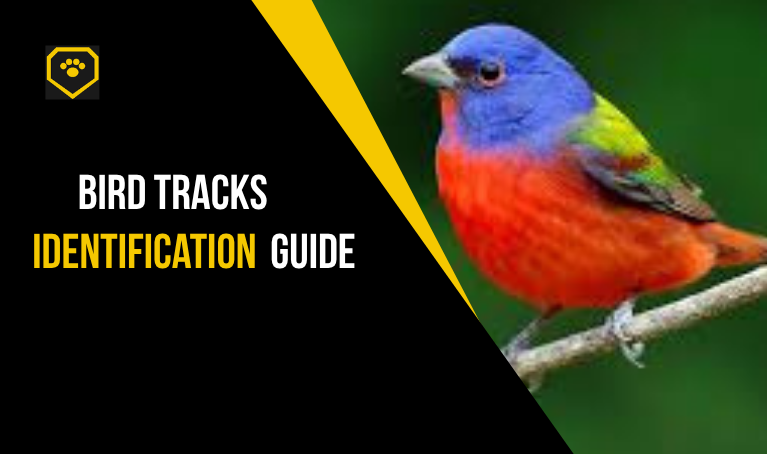
Bird tracks are some of the most common and most overlooked wildlife signs in Central Florida. From the tiny prints of finches on a dust-coated patio to the large webbed prints of muscovy ducks crossing a pool deck, birds leave easily recognizable tracks across nearly every soft surface in the Orlando area. Learning to read bird tracks helps you identify which species are using your property, which ones are nesting nearby, and which ones may be causing damage or health concerns. This guide breaks down bird tracks by type, where to find them, and what to do when nuisance species become regulars.
What Do Bird Tracks Look Like?
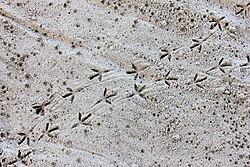
Almost all bird tracks share a recognizable arrow- or trident-shaped pattern of three forward toes. A fourth back toe (the hallux) is sometimes visible, depending on species and surface. The size, spacing, and presence of webbing between the toes are the main features for identifying which species made the print.
Songbird Tracks
Most small birds in Central Florida — sparrows, finches, mockingbirds, cardinals, blue jays, and starlings — leave tiny three-toe-forward, one-toe-back prints typically 1/2 to 1.5 inches long. The four toes form an “X” or arrow pattern. Songbirds usually hop rather than walk, so the tracks appear in pairs side by side.
Pigeon and Dove Tracks
Pigeons and doves walk rather than hop, leaving alternating prints in a clear line. Pigeon tracks measure roughly 1.5 to 2 inches long, with three forward toes and a small back toe. The middle toe is noticeably longer than the side toes, giving the print a clear forward-pointing arrow shape.
Crow and Grackle Tracks
American crows, fish crows, and boat-tailed grackles leave larger walking tracks — typically 2.5 to 4 inches long — with strong forward-pointing toes. The back toe is well developed and often shows clearly. Crows alternate steps when walking and hop sideways occasionally, leaving a more complex pattern than pigeons.
Webbed Waterfowl Tracks
Muscovy ducks, mallards, and Canada geese are common in Central Florida around retention ponds, lakes, and golf courses. Their prints show three forward toes with clear webbing between them, leaving a fan-shaped track. Muscovy duck tracks measure about 3 to 4 inches long, while goose tracks reach 4 to 5 inches.
Wading Bird Tracks
Great blue herons, great egrets, white ibises, and tricolored herons leave very distinctive long-toed prints with widely splayed toes and no webbing. Heron tracks are 5 to 8 inches long with three long forward toes and a long back toe — among the largest bird tracks you can find in Central Florida.
Raptor Tracks
Hawks, owls, and ospreys produce very prominent tracks when they land on soft surfaces, with deep impressions from their large talons. Two toes typically point forward, and one or two point back, creating a “K” or “X” pattern unique to birds of prey.
Where to Find Bird Tracks in Central Florida
- Pool decks, lanais, and screen porch floors after rain
- Pollen-coated patios and outdoor furniture during oak pollen season
- Mud and sand around retention ponds, lakes, and drainage swales
- Sandy beaches along the coasts within an hour of Orlando
- Mulched flower beds, vegetable gardens, and freshly turned soil
- Dust on roof surfaces, satellite dishes, and HVAC units
- Snowy windshields and pool covers in the morning
How to Tell Bird Tracks From Other Animals
Bird vs. Mammal Tracks
The three-toes-forward pattern is unique to birds. Almost all mammals leave round or oval pad prints with multiple toes spread evenly, not in a forward-pointing trident. The arrow shape of bird tracks is essentially impossible to confuse with raccoons, opossums, squirrels, rats, or cats once you have seen them.
Bird vs. Lizard Tracks
Lizards leave four- or five-toed prints with a tail drag down the middle. Birds rarely have any tail drag (some long-tailed grackles do), and bird prints have only three or four toes per foot in the diagnostic forward-pointing pattern.
Walking vs. Hopping Patterns
Pigeons, doves, crows, ducks, and herons walk, leaving alternating prints in a line. Most songbirds hop, leaving paired prints side by side. The gait alone often narrows down the bird group.
What Bird Tracks Tell You About Activity
A single set of bird tracks across your patio means a bird stopped to investigate. Multiple sets concentrated in one area, especially near vents, eaves, or feeding sites, indicate a roost or nest is nearby. Webbed tracks on your pool deck or driveway often mean ducks have started using your yard as a regular crossing — a common nuisance situation around homes near retention ponds in Orlando-area HOAs.
Combine tracks with droppings to confirm species. A combination of webbed prints and large wet droppings on your pool deck almost always means muscovy ducks. A combination of small hopping prints and pencil-eraser-sized droppings beneath a soffit vent points to nesting starlings or sparrows.
What to Do When You Find Nuisance Bird Tracks
- Photograph the tracks with a coin or hand for scale
- Identify the species using track size, shape, and walking pattern
- Look for nest sites in vents, soffits, gable ends, and eaves
- Inspect the property for food and water attractants
- Install bird netting, vent covers, or spikes on common roost areas after nesting season
When to Call a Central Florida Bird Removal Specialist
Repeated bird tracks on your property, especially when paired with droppings or visible nesting activity, usually call for professional intervention. Central Florida Trapper provides licensed bird exclusion, nest removal, sanitation, and deterrent installation across the Orlando metro area. Several Central Florida species — including muscovy ducks and many native songbirds — are governed by specific federal and state regulations, and licensed handling ensures the work is both legal and effective.